
FOR COMPANIES IN AND OUTSIDE JAPAN
A Path to GlobalPTG Inc. — Yokohama, Japan
Export|Japan to the worldEntry|The world to JapanSectors|Supplements & food

Japan and the world.
PTG Inc. helps Japanese manufacturers build business outside Japan, and helps companies outside Japan reach the manufacturers and ingredients they are looking for.
We are a small consultancy based in Yokohama. Our work is built on four decades of hands-on international sales rather than desk research: our founder spent more than 40 years selling Japanese products abroad, including ten years posted in the United States and the United Kingdom, and has travelled to 50 countries on business.
This page summarises, in English, the three service lines we offer. Fuller descriptions are published in Japanese elsewhere on this site.
- Based in
- Yokohama, Kanagawa, Japan
- Experience
- 40 years in international sales / 10 years posted overseas / 50 countries visited
- Sectors
- Dietary supplements, health foods, food ingredients, cosmetics, food
- Correspondence
- English and Japanese both welcome
01Who we are
PTG Inc. was founded to give Japanese small and mid-sized manufacturers the kind of international support that is normally available only to large corporations. Roughly half of our work is delivered through Japanese public support organisations; the other half comes directly from companies we have come to know.
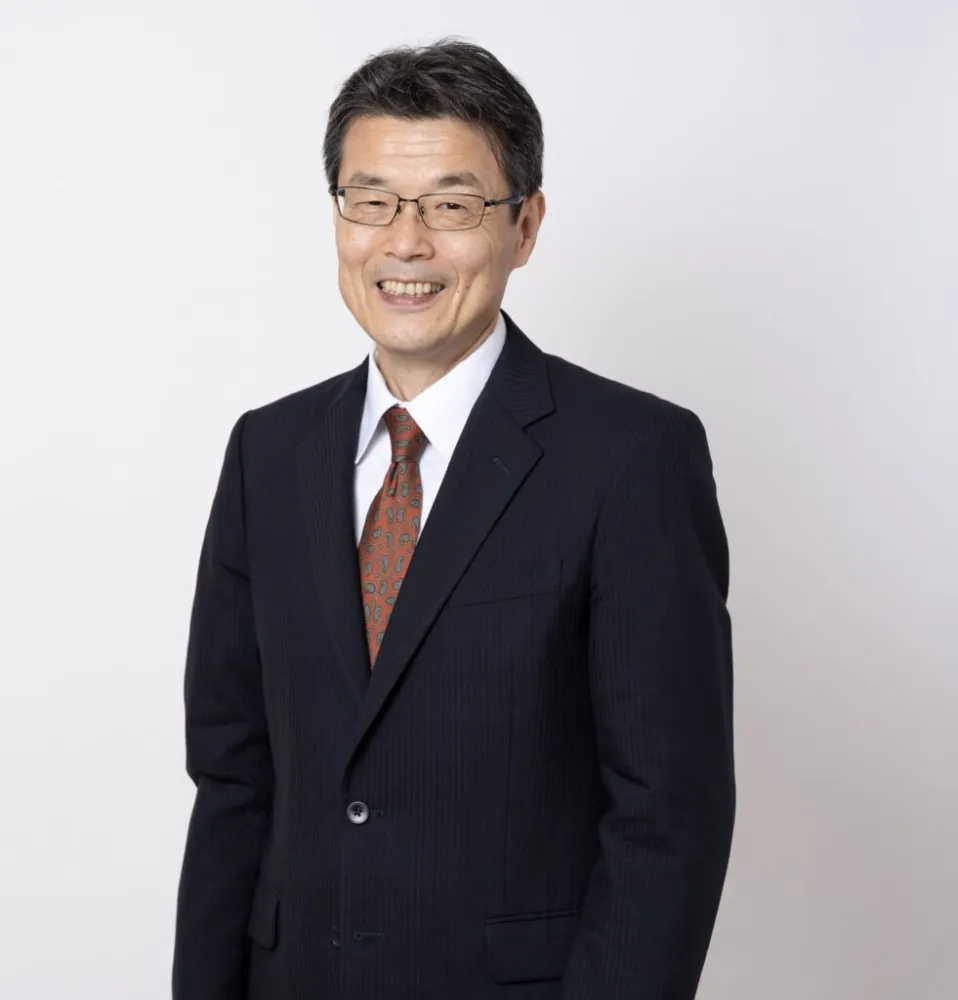
Norinao Shirai, Representative Director
Norinao Shirai joined Seiko Corporation in 1982 and was assigned to its international sales division. In 2003 he moved to Daiwa Pharmaceutical Co., Ltd., a functional food manufacturer, where he worked in international sales and established the company's U.S. subsidiary. He was appointed Managing Director responsible for international sales in 2020 and retired from that position in 2024.
Over that career he spent a total of ten years posted overseas in the United States and the United Kingdom, rebuilt a loss-making European subsidiary within four years, and brought a newly founded U.S. subsidiary to profitability in four. He has visited 50 countries on business.
Public appointments
- Japan's public trade promotion organization — Export Promoter
- SMRJ (Organization for Small & Medium Enterprises and Regional Innovation, Japan) — Internationalisation Advisor
- IDEC Yokohama (Yokohama Foundation for Business Management Support) — International Business Specialist
- Yokohama Chamber of Commerce and Industry — Advisor for SME Expansion into Asia
Qualifications and recognition
- Certified Trade Advisor, Association of International Business Advisors (AIBA)
- TOEIC 990 / EIKEN Grade 1 / Trade Practice Certification, Class A
- PCQI (Preventive Controls Qualified Individual, U.S. FDA PCHF requirement)
- Selected as one of the “Top 10 Executive Directors in Japan – 2023” by CEO INSIGHTS ASIA
02U.S. Market Entry Consulting
For Japanese manufacturers of dietary supplements, health foods and food ingredients that want to enter the United States. We work from strategy through to brand building and publicity on the ground, together with our U.S. partner Baker Dillon Group (BDG), a marketing and PR firm specialised in the American supplement industry.
The most common starting point is not a specific problem but a general one: “We want to sell in the U.S., but we have no idea where to begin.”
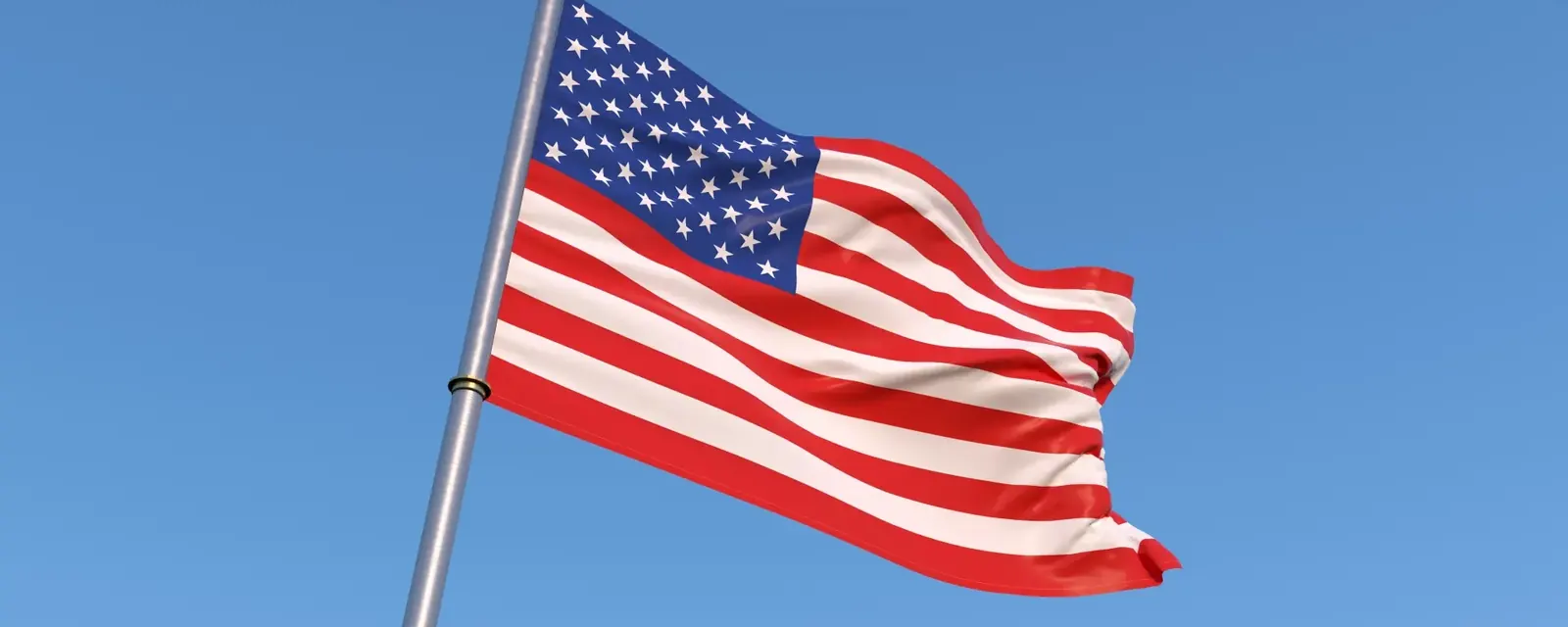
Two walls that stop Japanese companies
No blueprint for how to sell
Product quality and scientific evidence are rarely the problem. What is missing is a plan for how the product will actually be sold in the American market. Because there are so few precedents of Japanese supplement companies succeeding in the U.S., there is little internal or industry experience to draw on.
A different industry structure
In the United States, ingredient suppliers and finished-product brand owners are clearly separate businesses. In Japan a single company often covers sourcing, manufacturing, branding and distribution. Companies that arrive without understanding this split approach the wrong counterparts, in the wrong order, with the wrong materials.
Regulation is the third difference, and it needs to be built into the plan early. Labelling, ingredient status, manufacturing and advertising claims all follow different premises in the U.S. than in Japan; claims that are routine in Japan often cannot be used as they stand.
How we work: three pillars
Build the brand before entering the market
A product that enters the U.S. without a brand has only two outcomes available to it: sell cheaply, or not sell at all. Reversing the order later is very difficult, so branding comes first.
Use the depth of the U.S. trade media
Japan has roughly two significant supplement trade publications. The United States has a great many, plus adjacent media in alternative medicine and natural products. We use advertorials rather than plain advertising, offer research data and manufacturing background to journalists, give interviews, and contribute articles. Repeated over time, this is what builds recognition inside the industry.
Hold the position once it is won
A position that is not maintained is taken by someone else. Continuous presence in the trade press and repeat exhibiting at U.S. industry trade shows keep a company in the category people think of first. Our founder has exhibited at 50 overseas trade shows and supports booth design, pre-show appointments, meetings on the day and follow-up afterwards.
Why PTG and BDG rather than a large Japanese agency
When U.S. promotion is commissioned through a large Japanese advertising agency, execution is typically passed down through several layers of subcontractors. Reports come back, but the texture of the market does not, and the agency itself is rarely specialised in the supplement industry. We work in the opposite way: a small team, in direct contact with the U.S. trade press, buyers and event organisers.
Who this service is for
Japanese manufacturers of supplements, health foods and food ingredients that are considering or already committed to entering the U.S. market. Priority is given to large and mid-size companies, and we take on a maximum of two companies per month in order to maintain the quality of support.
03Trade Advisory
For companies taking their first steps in exporting. “We want to export, but we do not know where to start.” “We do not know how to find buyers abroad.” These are the questions we are asked most often, and most of this work reaches us through Japanese public trade-support organisations.
The advice is grounded in practice rather than theory: five years posted at a supplement company in the United States, and 50 exhibitions at overseas trade shows. Having actually sold, actually negotiated and actually made mistakes in those markets is what makes the next recommendation useful.
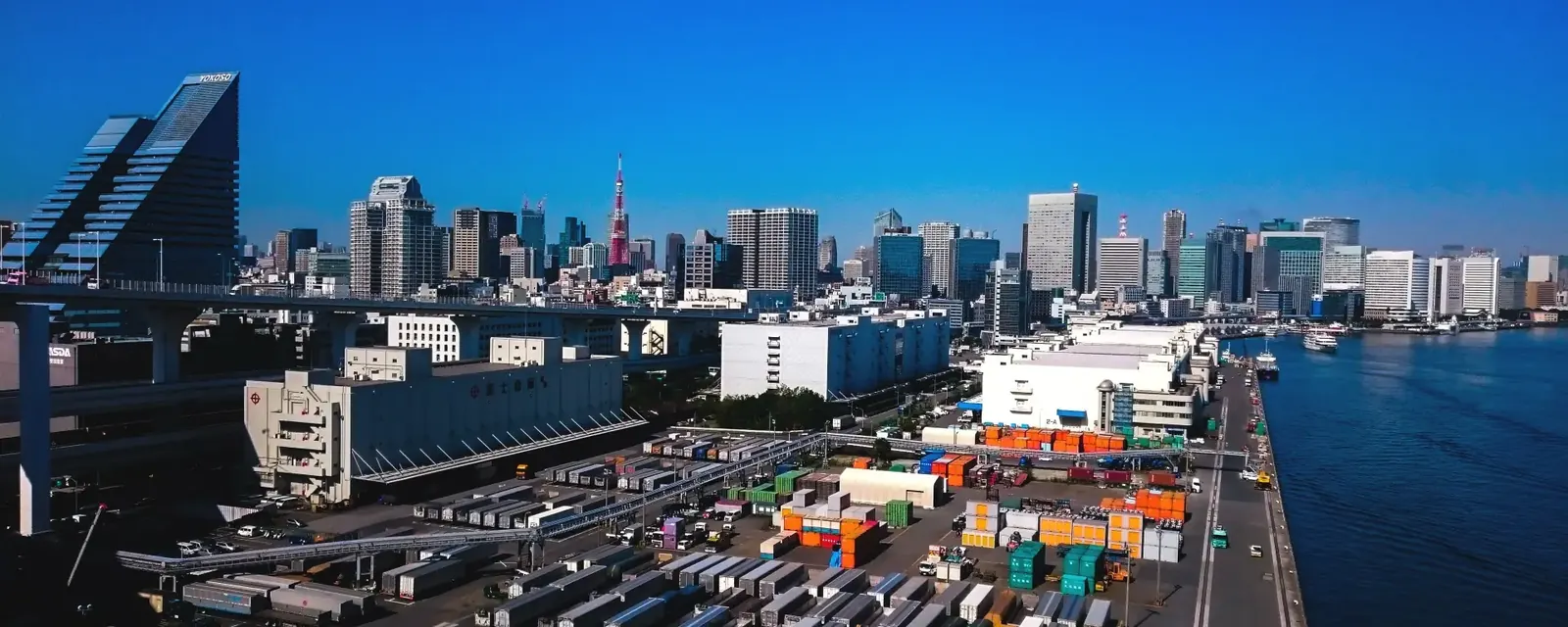
What we help with
Finding and assessing counterparts
Where to look for buyers and suppliers in a given market, and how to judge whether a counterpart is worth pursuing.
Regulation and labelling
What has to be cleared before a cosmetic or food product can be shipped, and how that shapes the timeline.
Pricing and terms
How to build an export price that still leaves a margin, and which contract terms to settle before shipping.
Trade shows that produce results
Preparation, meetings on the day and the two weeks of follow-up that decide whether a card exchange becomes an order.
Track record
Individual support for five companies, mainly in cosmetics and food, commissioned through public trade-support organisations. Client names are withheld under confidentiality obligations.
04EIB Global Academy
A six-month practical course in import and export, run jointly with Yuji Endo, a Japanese administrative scrivener (gyoseishoshi) who has specialised for 35 years in cross-border business alliance contracts. EIB stands for Export, Import and Business.
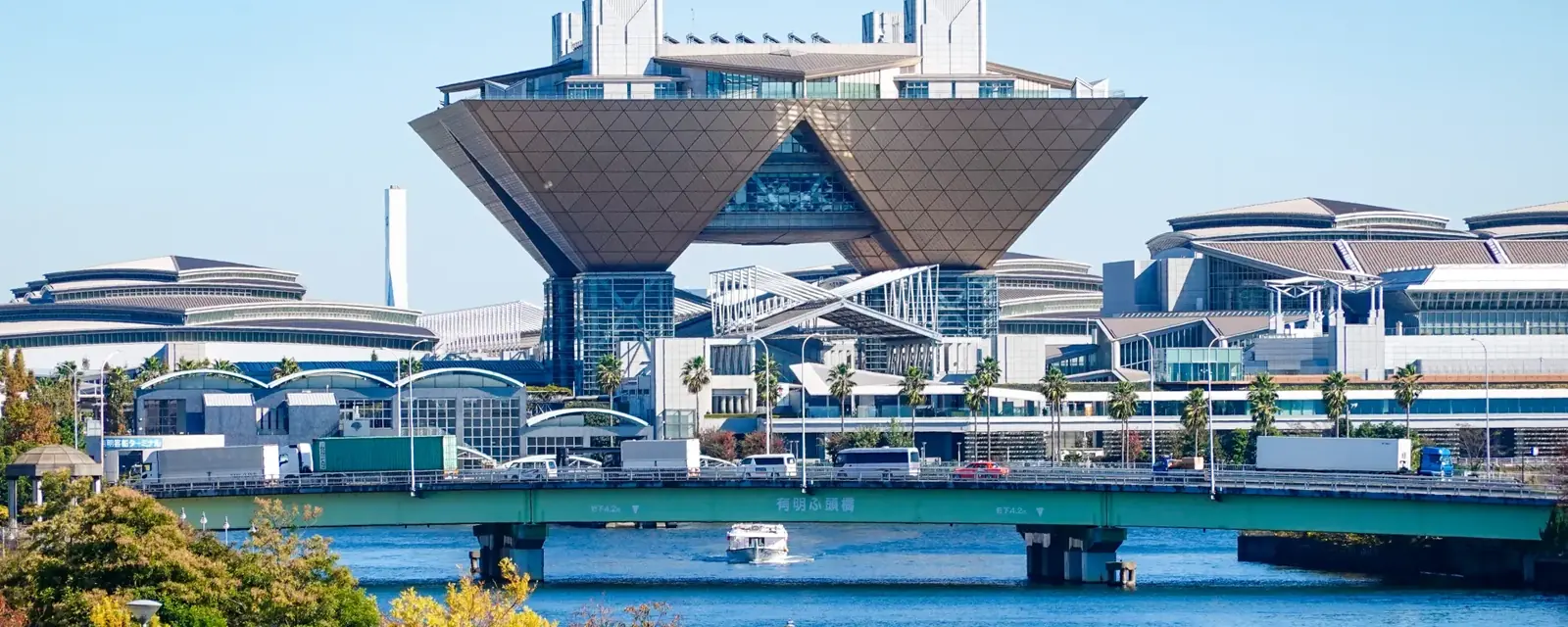
The centre of the course is not the classroom but the exhibition hall. During the six months, participants attend two international trade shows at Tokyo Big Sight with the instructors. The instructors demonstrate a live negotiation with an overseas exhibitor, then sit in on each participant’s own meetings and advise on the spot — how to open, what to ask, when to raise price, and which clauses to question in the contract that follows.
Format
One online session per month (recorded), plus individual consultations, over roughly six months from May to October. Held once a year for a small group.
Field work
Two international trade shows at Tokyo Big Sight, attended together with the instructors.
Faculty
Trade practice and marketing (PTG) together with English-language contract practice (Endo Office).
Approach
Export and import designed together rather than separately, so that the stronger side can carry the business as exchange rates move.
Please note: this course is taught in Japanese and is intended for participants based in Japan. If you are an overseas company that would like to meet its participants at a Japanese trade show, please contact us — that introduction is something we can arrange.
05If you are contacting us from outside Japan
Most of what is described above is support for Japanese companies going out. The traffic also runs the other way, and we are glad to hear from companies outside Japan in the following situations.
- You are a distributor, retailer or brand owner looking for Japanese ingredients, supplements, cosmetics or food products.
- You are a supplier who would like to reach Japanese manufacturers or importers.
- You are a trade organisation, event organiser or trade publication working with the Japanese market.
- You need someone in Japan who can hold a business conversation in English and explain how the Japanese side is likely to see a proposal.
We will tell you honestly whether we are the right people to help. If we are not, we will usually be able to point you towards someone who is.
06Contact us
Please use the form below. We normally reply within two business days (Japan Standard Time, UTC+9), in English or Japanese, whichever you prefer.
A PATH TO GLOBAL
More detail is available in Japanese
Each of the three service lines has a full page on the Japanese side of this site.
PTG Inc. — Utsukushigaoka-nishi 3-63-8, Aoba-ku, Yokohama, Kanagawa, Japan